Regenerative travel Costa Rica is becoming an important concept for travelers who want their vacations to have a positive impact on the destinations they visit. While sustainable tourism focuses on reducing negative environmental effects, regenerative travel goes one step further by asking how tourism can actively contribute to the wellbeing of nature, communities, and local economies.
Costa Rica is naturally positioned to become a leading destination for this type of travel. Its extraordinary biodiversity, protected natural areas, environmental initiatives, and strong connection between tourism and nature create an environment where responsible visitors can make more meaningful choices.
The Caribbean coast offers a particularly interesting perspective.
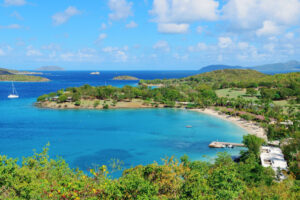
Around Puerto Viejo, Punta Uva, and Manzanillo, travelers encounter tropical forests, beaches, wildlife, local communities, and a distinctive Caribbean culture. These elements are not separate from tourism. They are the foundation of the destination.
For visitors, regenerative travel means experiencing this environment while considering how their choices can help preserve and strengthen it.
What Is Regenerative Travel?
Regenerative travel is an approach to tourism focused on creating positive outcomes for the places people visit.
Sustainable tourism generally aims to minimize environmental damage. Regenerative tourism asks a broader question: can travel actively contribute to restoring ecosystems, supporting communities, and strengthening local economies?
The concept does not mean that every traveler needs to participate in a conservation project.
Sometimes regeneration begins with simple decisions.
Choosing locally owned businesses can keep tourism revenue within the community. Respecting wildlife helps protect natural ecosystems. Staying longer in one destination can reduce unnecessary transportation while providing greater economic value to local businesses.
The idea is to become a participant in the destination rather than simply a consumer.
Why Costa Rica Is Ideal for Regenerative Travel
Costa Rica has built a global reputation around biodiversity and nature based tourism.
Visitors come to the country to experience rainforests, beaches, wildlife, mountains, rivers, and protected ecosystems.
This means tourism and environmental conservation are closely connected.
For travelers interested in regenerative travel Costa Rica experiences, this creates an opportunity to make conscious choices throughout the entire trip.
Where you stay matters.
Where you eat matters.
How you interact with wildlife matters.
How you move around the destination matters.
Even how long you stay can influence the local economy.
When these decisions are made thoughtfully, tourism can become a force that supports the places travelers come to enjoy.
The Caribbean Coast and the Importance of Nature
Costa Rica’s Caribbean coast provides a powerful example of the relationship between tourism and nature.
The region around Puerto Viejo and Punta Uva combines beaches, rainforest, wildlife, and communities within a relatively small area.
Visitors can see sloths in trees, hear monkeys in the forest, observe tropical birds, and enjoy beaches surrounded by vegetation.
This biodiversity is one of the region’s greatest attractions.
Protecting it is therefore essential not only for the environment but also for the future of tourism.
Regenerative travel recognizes this connection.
A healthy ecosystem creates a better destination for both residents and visitors.
Punta Uva: A Destination Built Around Nature
Punta Uva represents many of the qualities regenerative travelers are seeking.
The area is known for its beautiful beaches and tropical surroundings, but its value extends far beyond the coastline.
The surrounding rainforest provides habitat for numerous species and contributes to the character of the entire region.
Travelers visiting Punta Uva can experience nature without needing to travel long distances between attractions.
This proximity encourages a slower and more thoughtful approach to tourism.
Instead of spending hours driving from one attraction to another, visitors can spend more time exploring and appreciating a single environment.
That is one of the fundamental ideas behind regenerative travel.
Supporting Local Communities Through Travel
One of the most practical ways travelers can contribute to regenerative tourism is by supporting local businesses.
Choosing locally owned restaurants, guides, shops, transportation providers, and accommodations can help tourism revenue remain within the community.
This is especially relevant in destinations such as Puerto Viejo and Punta Uva, where small businesses play an important role in the visitor experience.
Travelers can also learn about local culture rather than treating the destination simply as a backdrop.
The Caribbean coast has a rich cultural identity influenced by Afro Caribbean traditions and generations of local communities.
Supporting local businesses and learning about this heritage can create a more meaningful relationship between visitors and residents.
Why Staying Longer Can Be More Responsible
Regenerative travel is closely connected to the growing slow travel movement.
Travelers who stay longer in one destination often have more opportunities to support local businesses and experience the region beyond its main attractions.
They also reduce the need for frequent transportation between hotels and destinations.
Instead of spending one night in several different locations, visitors might choose one area as their base and explore it more deeply.
Puerto Viejo and Punta Uva are particularly well suited to this approach.
A longer stay gives travelers time to discover beaches, local restaurants, wildlife, natural areas, and cultural experiences without constantly moving.
This creates a more relaxed vacation while potentially reducing the environmental impact associated with constant transportation.
Responsible Wildlife Encounters
Wildlife is one of the biggest reasons international travelers visit Costa Rica.
However, wildlife tourism must be approached responsibly.
Travelers should avoid feeding wild animals, attempting to touch them, getting too close for photographs, or encouraging behaviors that interfere with their natural routines.
A respectful wildlife encounter is one where the animal remains in control of the interaction.
This is especially important on the Caribbean coast, where animals may appear surprisingly close to beaches, roads, hotels, and residential areas.
A sloth resting in a tree does not need human interaction to create a memorable experience.
Simply observing it from an appropriate distance is enough.
Choosing Nature Based Experiences
Travelers interested in regenerative travel Costa Rica can also choose activities that encourage appreciation and understanding of the environment.
Nature walks, responsible wildlife observation, kayaking, cycling, birdwatching, and guided ecological experiences can provide opportunities to learn about local ecosystems.
The goal is not simply to collect photographs.
It is to understand the relationship between the environment and the communities that depend on it.
A knowledgeable local guide can often explain details that visitors would otherwise overlook.
This transforms an ordinary activity into a more meaningful experience.
The Role of Boutique Hotels in Regenerative Tourism
Accommodation plays an important role in how travelers experience a destination.
Large tourism developments can provide extensive facilities, but smaller properties can offer travelers a closer connection to local environments.
Exótico Beach Hotel provides a boutique accommodation experience near Punta Uva, allowing guests to stay close to the beaches and tropical surroundings of the Caribbean coast.
The property gives travelers an opportunity to experience the region at a more relaxed pace.
The Standard Suite provides a comfortable place to rest between beach visits, wildlife encounters, and exploration.
The Junior Suite offers additional space for guests who want a comfortable base for a longer Caribbean stay.
The Exótico Pool Villa provides a more private setting for travelers looking for an elevated tropical experience while remaining connected to the natural surroundings.
For regenerative travelers, the accommodation experience should complement the destination rather than compete with it.
Regenerative Travel Is More Than Eco Friendly Travel
It is important to understand the difference between sustainable and regenerative tourism.
Sustainable travel generally focuses on reducing harm.
That can include reducing waste, conserving energy, minimizing water consumption, and protecting natural resources.
Regenerative travel asks what can be added back.
Can tourism help local businesses thrive?
Can travelers learn about and support conservation?
Can visitors contribute to cultural preservation?
Can tourism create stronger connections between communities and their natural environment?
These questions make regenerative travel a broader concept.
It is not about being a perfect traveler.
It is about making better decisions whenever possible.
Local Food as a Regenerative Travel Choice
Food offers another simple way to support local economies.
Eating at locally owned restaurants allows travelers to experience authentic flavors while contributing directly to businesses within the community.
The Caribbean coast has a distinctive culinary identity shaped by its history and tropical environment.
Fresh seafood, coconut, tropical fruits, rice, vegetables, and Caribbean spices are common elements of local cuisine.
Trying regional dishes can therefore serve two purposes.
Travelers discover a new part of the destination while supporting the people who keep its culinary traditions alive.
This is exactly the type of experience regenerative tourism encourages.
Exploring Without Leaving a Large Footprint
Transportation is another area where travelers can make thoughtful decisions.
Whenever practical, visitors can walk, cycle, or use local transportation instead of relying exclusively on private vehicles.
The Puerto Viejo and Punta Uva area is particularly suitable for slower forms of transportation.
Cycling along the coast can be an experience in itself.
Visitors can stop at beaches, observe wildlife, discover small businesses, and enjoy the tropical landscape at a much slower pace.
The journey becomes part of the destination.
Why Regenerative Travel Is Important for the Future
Tourism can provide significant economic benefits to destinations, but unmanaged tourism can also create environmental and social pressures.
Regenerative travel offers a different vision.
Instead of asking how many visitors a destination can accommodate, the focus shifts toward what kind of tourism can create long term benefits.
For Costa Rica, this is particularly important because nature is one of the country’s greatest assets.
If ecosystems remain healthy, communities can continue benefiting from tourism and travelers can continue enjoying extraordinary experiences.
This creates a cycle where tourism and conservation support each other.
How Travelers Can Practice Regenerative Tourism in Costa Rica
Travelers do not need to completely change their vacation to make more responsible choices.
They can begin by slowing down and paying more attention to where their money goes and how their behavior affects the destination.
Choosing local businesses, respecting wildlife, avoiding unnecessary waste, staying longer, learning about local culture, and following conservation guidelines are all practical steps.
Travelers can also choose experiences that educate rather than simply entertain.
The result is a vacation that feels more connected to the place.
Why Puerto Viejo Is Ready for the Next Generation of Travelers
Puerto Viejo has many of the characteristics that modern travelers are searching for.
It offers nature without sacrificing culture.
It offers beaches without requiring a conventional resort experience.
It provides wildlife encounters while remaining connected to local communities.
And it offers travelers the opportunity to slow down.
The combination of these qualities makes the region especially relevant as regenerative tourism continues growing.
Punta Uva adds another layer to this experience through its peaceful beaches and tropical surroundings.
Together, these destinations demonstrate how tourism can be about more than visiting a beautiful place.
It can be about building a relationship with it.
What Does Regenerative Travel Mean for Exótico Beach Hotel?
For a property such as Exótico Beach Hotel, the growth of regenerative tourism creates an opportunity to communicate a deeper travel philosophy.
The hotel is not simply a place where visitors spend the night.
It can serve as a base from which travelers discover Punta Uva, explore the Caribbean coast, support local businesses, and experience the natural environment.
This approach aligns naturally with the changing expectations of travelers.
Visitors increasingly want accommodations that help them experience their destination rather than isolate them from it.
That makes Punta Uva particularly powerful.
The beach, rainforest, wildlife, and local culture are all part of the experience.
The Future of Travel Is About Leaving Something Positive Behind
Regenerative travel does not mean that every vacation must become a conservation project.
It means recognizing that travel creates relationships.
Visitors depend on destinations for experiences.
Communities depend on tourism for economic opportunities.
Nature provides the landscapes and biodiversity that attract travelers.
When these elements are treated as interconnected, tourism can become more responsible and more meaningful.
Costa Rica has an opportunity to lead this movement because its identity is already deeply connected to nature and conservation.
The Caribbean coast can become an important part of that future.
For travelers visiting Puerto Viejo and Punta Uva, the most meaningful vacation may not simply be the one with the most activities.
It may be the one where they leave knowing they experienced the destination respectfully, supported local communities, and appreciated the natural environment.
That is the promise of regenerative travel Costa Rica.
Frequently Asked Questions (FAQ)
-
What is regenerative travel Costa Rica?
Regenerative travel Costa Rica focuses on creating positive benefits for nature, local communities, culture, and local economies instead of only minimizing the negative effects of tourism.
-
How is regenerative travel different from sustainable tourism?
Sustainable tourism generally focuses on reducing environmental and social impacts, while regenerative travel aims to actively contribute to the restoration and wellbeing of destinations.
-
Is Costa Rica a good destination for regenerative travel?
Yes. Costa Rica's biodiversity, protected natural areas, local communities, and nature based tourism make it especially suitable for travelers interested in responsible and regenerative experiences.
-
How can travelers support regenerative tourism in Puerto Viejo?
Visitors can stay longer, support local businesses, choose responsible activities, respect wildlife, reduce waste, and learn about the culture and ecosystems of the Caribbean coast.